How to Choose the Best Window Film
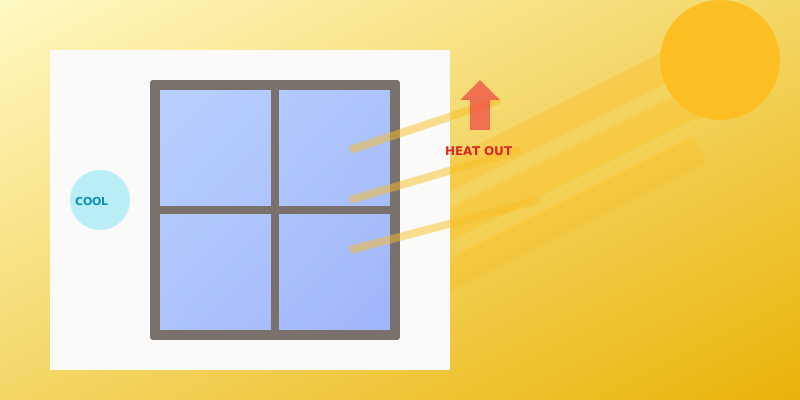
Window film is one of the most cost-effective ways to reduce heat gain, blocking 30-60% of solar heat while maintaining views. It's particularly effective on west-facing windows and is a great option for renters as many types are removable.
Key Features to Understand
Types of Film
Reflective films are cheapest but visible from outside. Ceramic films offer the best heat rejection with minimal tint - worth the extra cost for main living areas.
Heat Rejection Rating
Look for Total Solar Energy Rejected (TSER) percentage. Basic films reject 30-40%, quality ceramic films reject 50-70%. Higher is better but often means darker tint.
UV Protection
Quality films block 99%+ of UV rays, protecting furniture, flooring, and artwork from fading while also protecting skin from UV exposure.
What to Look For
- ✓High TSER (Total Solar Energy Rejected) rating - 50%+ for best results
- ✓UV rejection of 99% or higher
- ✓Ceramic technology for low-tint, high-performance options
- ✓Warranty that covers bubbling, peeling, and colour change
- ✓Compatibility with your window type (check for double glazing restrictions)
- ✓Static cling options for renters (removable without residue)
What to Avoid
- ✗Very cheap films with short warranties - they fade and bubble quickly
- ✗Dark films on windows you want clear views from
- ✗Applying film to double glazing without checking manufacturer compatibility
- ✗DIY on large or high windows unless you have experience
Typical Price Ranges
💡 Note: Professional installation ensures bubble-free application and usually includes better warranty. DIY is feasible with practice but expect your first window to take time.
Climate Considerations
Window film is beneficial in all Australian climates. It's most valuable on west-facing windows which receive intense afternoon sun. In cooler climates, consider that solar film also reduces winter heat gain, which may increase heating costs slightly.
Research Resources
We recommend these credible sources for comparing specific products and finding current reviews:
Frequently Asked Questions
Does window film void glass warranty?
Some films can void warranties on double glazing or low-E glass by trapping heat and causing stress fractures. Check with your window manufacturer before applying. Most single-glazed windows are fine. Lighter tints are generally safer than dark films.
Can I install window film myself?
Yes, DIY films are designed for home application. Success tips: clean glass thoroughly, use plenty of application solution, use a squeegee to remove bubbles, and work on cooler days. Expect your first window to take 30+ minutes as you learn.
How much can window film save on cooling costs?
Properly applied film can reduce AC runtime by 20-30% by blocking 30-60% of solar heat gain. For a typical home with significant west glass, this translates to $100-$300 per summer in energy savings. Payback is typically 1-3 years.
Related Guides
Get Personalized Recommendations
Answer a few questions about your home and get specific recommendations based on your climate, budget, and needs.
Get My Free Plan